
How 3D Printing Completes Your DIY Electronics Projects
If you’re into DIY electronics, you’ve probably built something that worked perfectly… but still felt unfinished.
The circuit is solid. The code runs. The LEDs blink. The sensor reads correctly.
But then you step back and realize it’s still sitting on a breadboard, held together with jumper wires, or stuffed into a random plastic project box that doesn’t really fit.
That’s the moment where 3D printing becomes one of the most satisfying upgrades you can add to your workbench.
And once you start using it for electronics, you realize something pretty quickly:
3D printing doesn’t just support electronics projects, it’s what makes them feel finished.
I’ve owned multiple 3D printers over the years. And for a long time, 3D printing felt like its own separate hobby, something that required constant tinkering just to get decent prints.
But in the past couple years, things have changed in a big way. Most mid-range printers now self-level, handle calibration automatically, and print reliably enough that you can treat them like a normal tool.
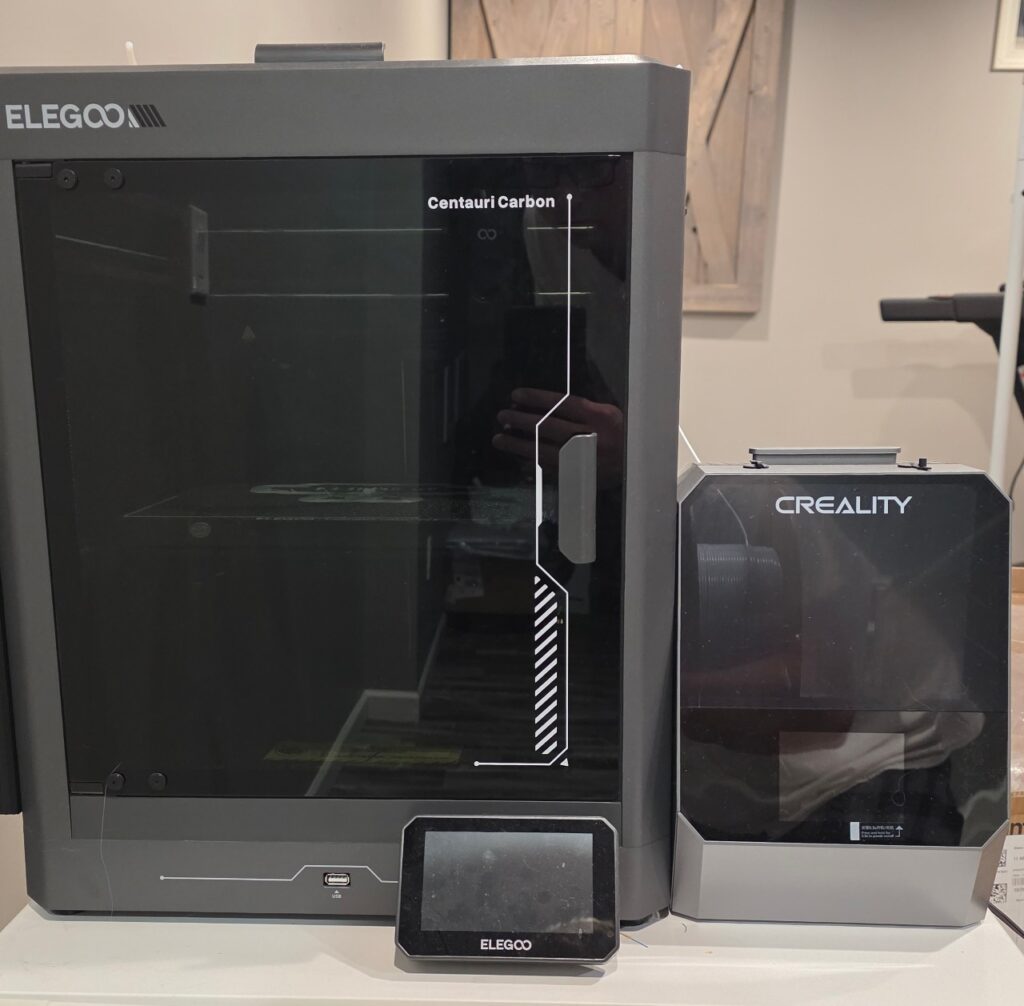
My newest printer (Elegoo Centauri Carbon) even came with a hardened hot end right out of the gate, meaning it can handle engineering filaments without needing immediate upgrades. This isn’t a review post (I’ll save that for another day), but it’s a perfect example of how much the hobby has matured.
This post is about why 3D printing is so useful for electronics DIY, the kinds of parts that actually matter, and why it scratches that “builder itch” better than almost anything else.
The Real Problem: Electronics Projects Don’t Feel “Done” Without a Home
Electronics projects are fun because they’re modular. You can grab an ESP32, a sensor, a display, a buck converter, and a battery… and you’re building something real in minutes.
But once the project works, the questions start showing up:
- Where does the board go?
- How do you mount the display?
- How do you keep the wires from getting yanked?
- How do you make it durable?
- How do you mount it on a wall, desk, or bracket?
- How do you make it look like a finished device?
Most electronics builds don’t fail because the circuit doesn’t work, they stall because there’s no clean way to assemble everything into something usable.
That’s why so many “completed” projects end up living permanently on the bench: a working circuit with nowhere to go.
And honestly? That’s the exact problem 3D printing solves.
Why 3D Printing is a Cheat Code for Electronics DIY
3D printing solves the biggest bottleneck in electronics: packaging.
Instead of trying to force your project into a random enclosure, you design the enclosure around your exact parts. That means your build can go from “bench prototype” to “real device” in the same weekend.
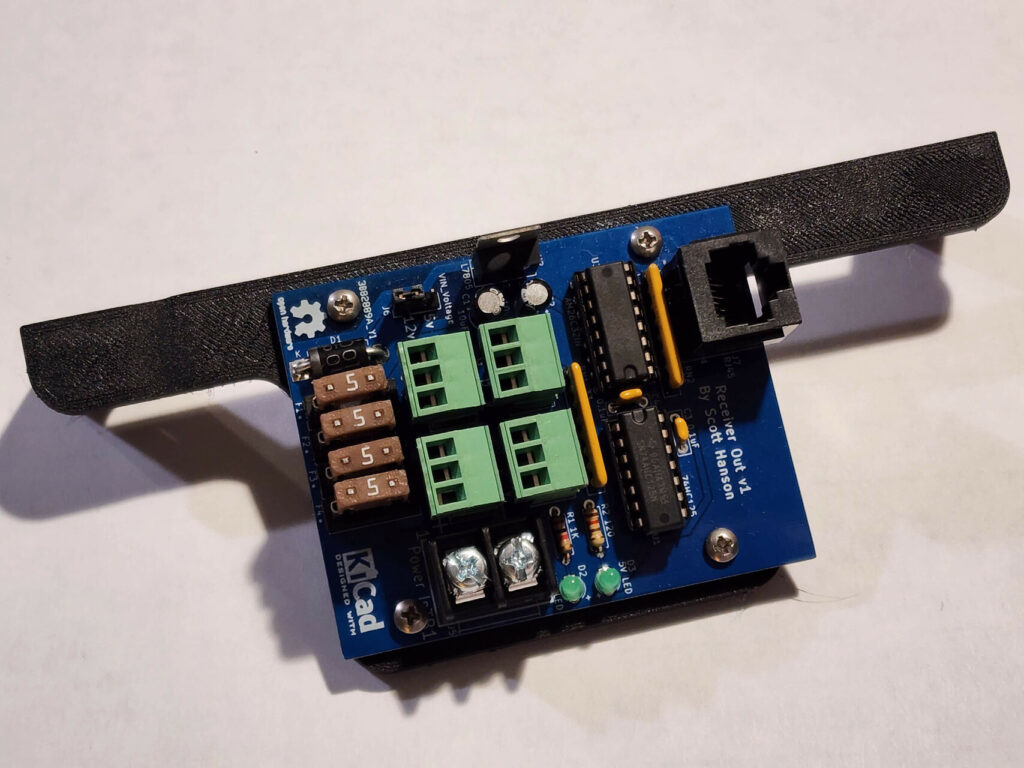
Even something simple like a bracket for a power supply can completely change how “finished” a project feels.
And once you start printing cases and mounts for your builds, you’ll notice something pretty quickly:
3D printing doesn’t just support your electronics projects, it completes them.
The Best Part: 3D Printers Are Finally Reliable
If you tried 3D printing years ago and bounced off of it, I don’t blame you.
It used to be normal to spend hours doing things like:
- Manually leveling the bed (over and over)
- Tuning first layer settings like it was a science experiment
- Fighting warping and adhesion problems
- Rebuilding hot ends and extruders just to print reliably
- Accepting that some prints would fail for no reason
Modern printers have changed that experience completely. Self-leveling is common. Print profiles are better. Hardware is stronger. Firmware is smarter.
3D printing is no longer “the hobby inside the hobby.” It’s a tool you can actually depend on.
And when you’re doing electronics projects, that reliability matters. You don’t want to spend your weekend troubleshooting your printer, you want to spend your weekend building.
What I Actually Print for Electronics Projects
When most people think of 3D printing, they think of big prints like full enclosures. But honestly, some of the most useful prints for electronics are the small ones.
These are the kinds of parts I end up printing constantly:
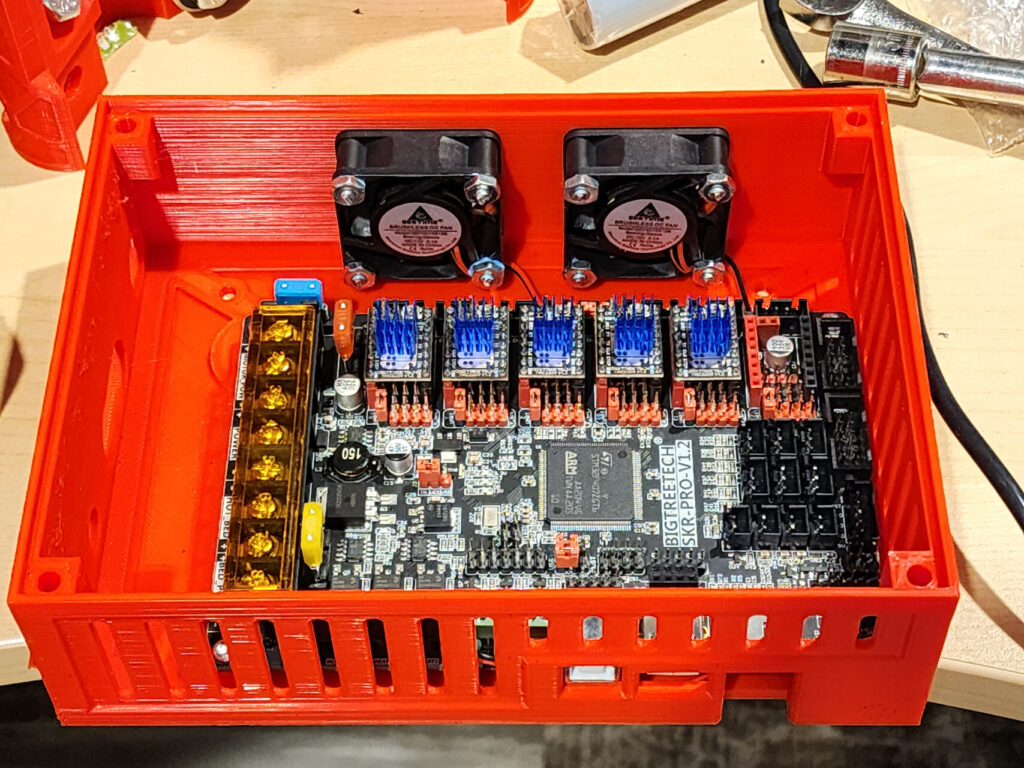
- 3D printed electronics enclosures (custom-fit for boards, screens, batteries, and wiring)
- Mounting brackets for sensors, cameras, or modules
- DIN rail mounts for power supplies, relays, and converters
- OLED/LCD bezels so displays look clean instead of “hacked in”
- Angled stands for OLEDs, LCDs, and touchscreens
- Battery holders and trays
- Cable pass-throughs (especially for USB, barrel jacks, and sensor wires)
- Standoffs and spacers for clean mounting
- Knobs, button caps, and faceplates to make controls feel finished
- Bench organizers for parts and components
Once you start thinking this way, it becomes obvious why 3D printing fits electronics DIY so well. Electronics projects always need “just one more piece” to feel complete and a printer lets you make that piece instantly.
You Don’t Need to Be a CAD Expert (This is the Part People Overthink)
This is where a lot of people get stuck. They assume you need to be “good at CAD” before 3D printing becomes useful for electronics.
You don’t.
For most DIY electronics parts, you’re not designing a spaceship. You’re designing simple shapes:
- a rectangle with screw holes
- a bracket with a slot
- a small box with a lid
- a mount that holds a sensor at the right angle
If you can measure parts with calipers and you understand basic dimensions, you can design 80% of the useful things you’ll ever print.
And if you don’t want to design at all? There are already thousands of printable project boxes, ESP32 cases, sensor mounts, and brackets online that you can tweak in minutes.
The “Finished Project” Feeling is Addictive
This is the part that really satisfies the DIY itch.
There’s something ridiculously satisfying about going from a breadboard prototype to a finished device that:
- has a real enclosure
- has clean wiring
- has proper mounting
- looks intentional
- can be used every day
It’s the difference between “I built a circuit” and “I built a device.”
Examples From My Own Workbench
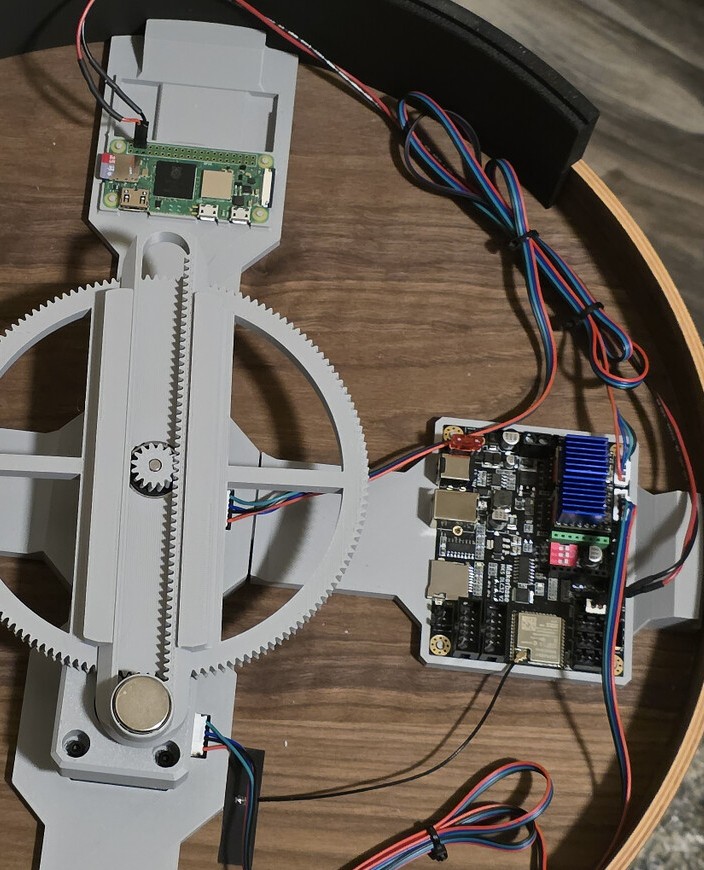
Almost every electronics build I’ve done recently has used 3D printing somewhere in the process. Sometimes it’s a full enclosure. Sometimes it’s a small part that makes the entire project feel complete.
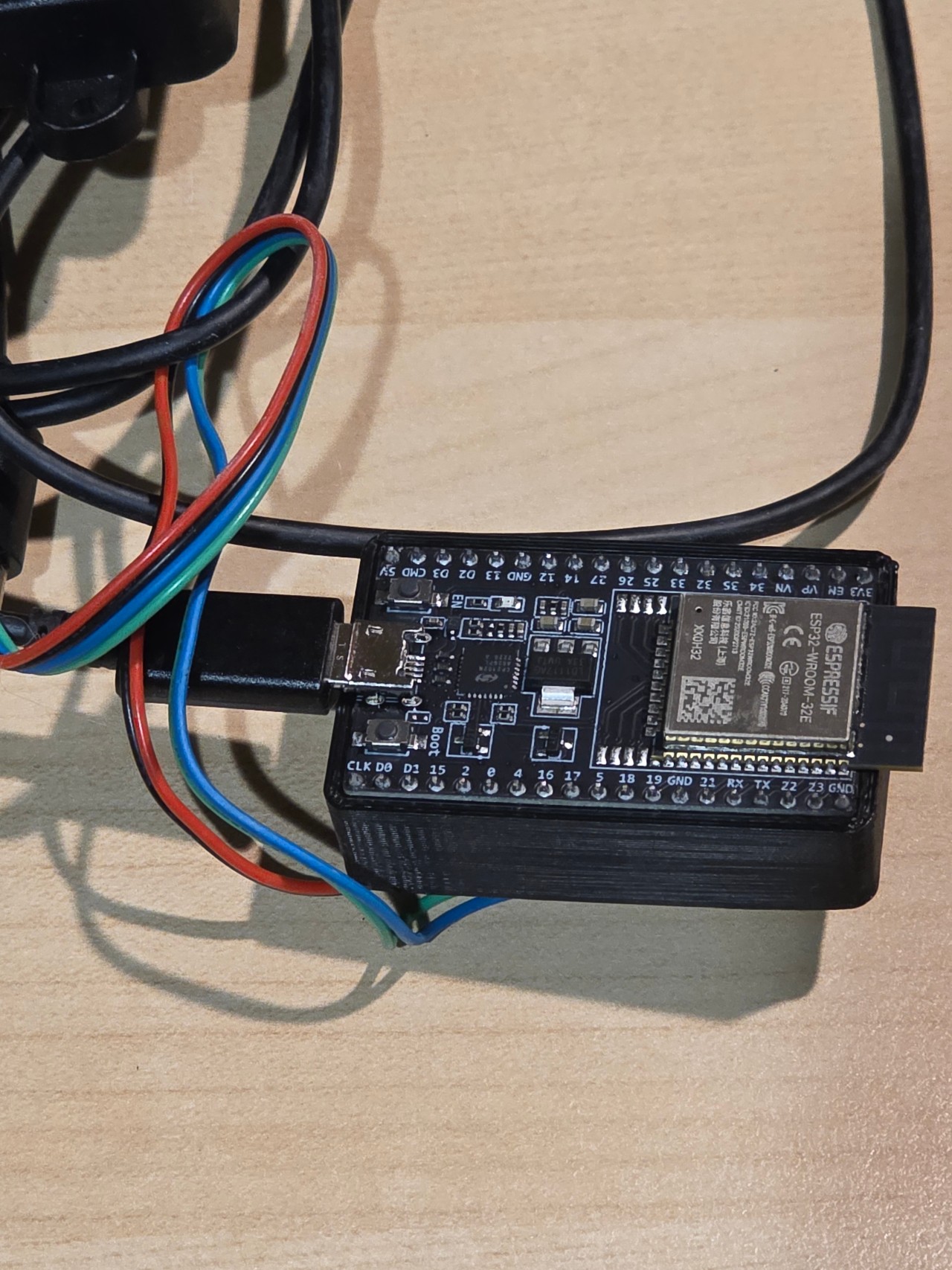
Below are a few examples of the types of builds where 3D printing becomes a key part of the finished result. I’ll be doing individual posts on several of these projects, but I wanted to show how often printing becomes the “final step” that brings everything together.
- Custom cases for microcontroller builds
- Sensor mounts and brackets
- Display stands and angled enclosures
- Battery trays and holders
- Project-specific mounts for the garage or shop
- Cable routing pieces and strain relief
- Workbench organizers for small components
Final Thoughts: 3D Printing Belongs on the Electronics Bench
A 3D printer isn’t just for printing toys or random gadgets.
For an electronics hobbyist, it’s one of the most practical tools you can own. It helps you finish projects, protect your work, mount parts properly, and build devices that look and feel complete.
And now that printers are more reliable than ever, 3D printing has finally become what it always should have been:
A standard tool on the modern DIY electronics workbench.
If you’ve ever abandoned a project because you couldn’t package it cleanly, a 3D printer fixes that problem permanently.
Once you have one, you’ll wonder how you ever finished electronics projects without it.